
The Dash
Updated: Jan 26
Early new year, 2026. The wee hours of a cold, dark Victoria morning. The wind howls, rain hammers down relentlessly. Sleep proves elusive.

I toss and turn, fuss and fidget. A kaleidoscope of random thoughts and pictures careen about my mind. Seemingly unconnected, yet they compete for attention.
One takes me back some forty years, to a professional baseball game in Seattle.
The home team, with a runner already on first base, slaps a hit down the right field line. Sitting alongside a friend well versed in the sport, I only sense him begin to rise to his feet in anticipation.
What follows is something of blur, certainly for someone, such as me, new to the nuances of the game. It all happens in mere seconds. The runner, soon at top speed, hares around second base. Heads for third. The outfielder secures the ball, wheels, then fires an absolute bullet back to the infield.

It is a bang, bang play. The runner slides into the base, a millisecond ahead of the tag. Safe, as the crowd roars in delight.
My friend attempts to explain the intricacies and moving parts of the action. Then opines that the runner would have been dead to rights had the right fielder been faster to gather the base hit, pivoted more quickly, had a stronger arm. If that fielder had been one of his baseball heroes.
A certain Roberto Clemente.
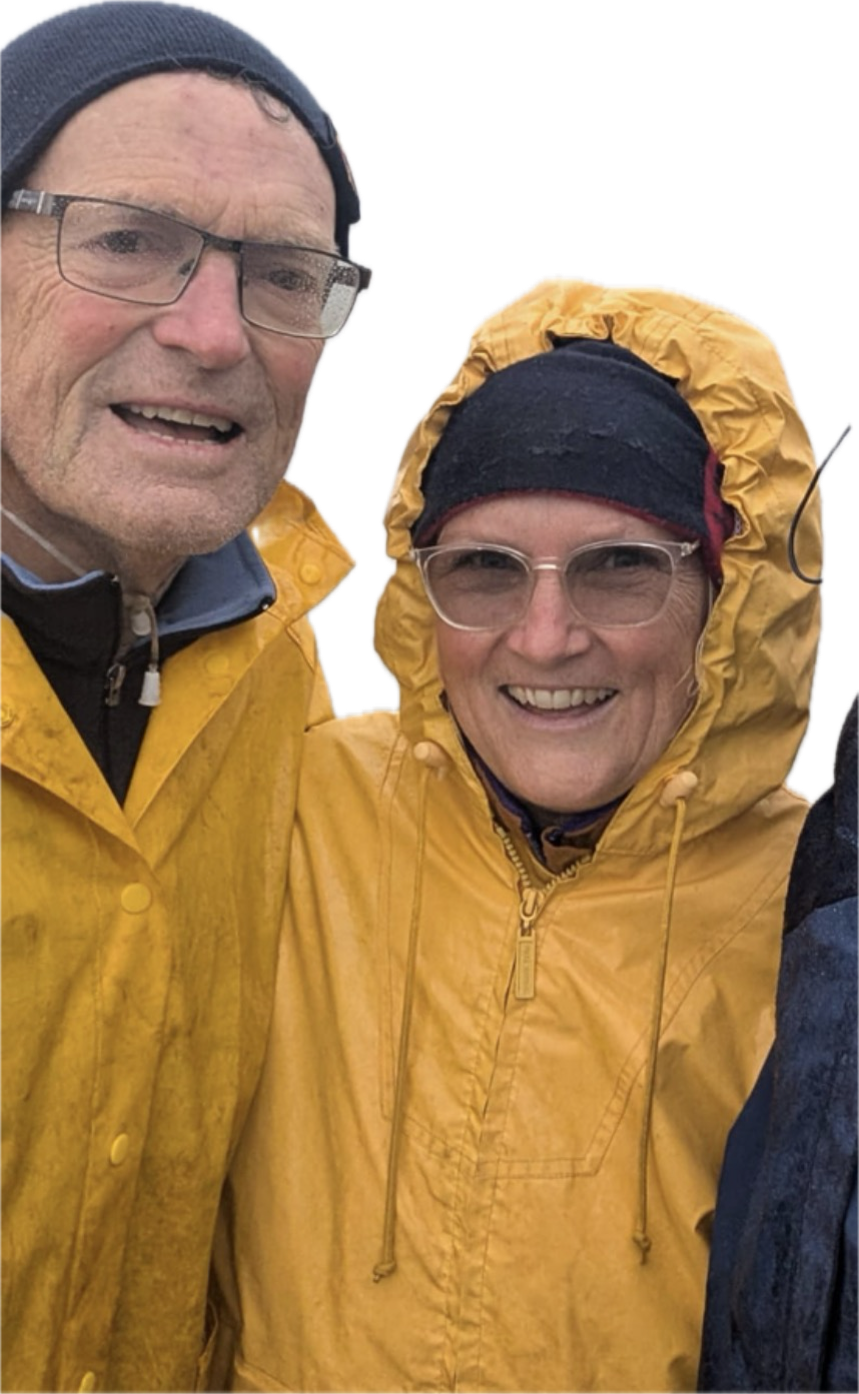
Still, imperceptibly, my dream scenes shift. Now I see snapshots from a previous day’s walk. Local trails all a sodden, slippery, and sloppy mess. As a result, my wife and I, clad in yellow slickers, instead find solitude on the winding, paved roads and pathways of a local burial park.
We pass by groves and gardens of remembrance, shelter when required under arbutus and fir trees, pass by the mausoleum, a chapel, a number of crypts. Maneuver through and around thousands of flat and upright grave markers.
Note the many memorials, names, and tributes.
One tombstone in particular catches my eye.
It references a poem titled “The Dash.” Words on how we might live our lives, and the impact we might have on others. That what happens in the dash, between a date of birth, and a date of passing, is what truly matters.
In this regard, half awake once again, I return to Clemente. Intrigued by my friend’s mention of his name all those years ago, I consider the information I then gathered.
As a young boy, the youngest of seven children, Clemente works the sugar cane fields with his family. Supple and strong, an outstanding natural, all-round athlete, he is drawn to baseball. Begins his career in the barrio of San Anton, Puerto Rico.
His precocious talent is undeniable. Soon identified by the Brooklyn Dodgers at age 18, he plays two seasons for the AAA Montreal Royals. Then, via something called the Rule 5 draft, joins the Pittsburgh Pirates.

What follows is a simply remarkable professional career. A benchmark for excellence, he becomes a formidable personality, arguably the greatest outfielder in baseball history. Over 18 glittering seasons, he wins all manner of MVP and All-Star awards, bats well over .300. Records 3,000 hits, swats 240 home runs, wins 12 consecutive Gold Gloves for his peerless defence and accurate, cannon like throws.
Is part of two World Series championship teams, first in 1960 and then in 1971. By the late 1960s, Major League general managers rate him as “the best player in baseball today.”
Certainly, at least initially, he overcomes many obstacles. Adjusts to a radically different climate, and an awkward language barrier. Not to mention that, as a black Puerto Rican, Clemente deals with extreme ethnic tension, racism, and discrimination, from spectators and journalists, even teammates. Some of these clashes lead to a deep mistrust of the media and earn him an undeserved reputation as outspoken and hot tempered.
However, Clemente eventually wins over fans in America, becoming a beloved figure, especially in Pittsburgh, where his number 21 is retired. Moreover, he never forgets his roots, returning often to his homeland to play, coach, or manage winter ball, while also immersing himself in charity and humanitarian work.
Of special relevance is creating a sports centre for disadvantaged youth in Puerto Rico, a project so dear to his heart he considers it more important than any of his many other accomplishments. Likewise, haunted by worry for the many underprivileged children he visits through the years, he strives for justice to assist those particularly oppressed.
Alas, tragedy strikes.
Just before Christmas 1972, a powerful earthquake devastates Managua, the capital city of nearby Nicaragua.

Immediately, Clemente organizes emergency relief flights. However, upon learning that corrupt local officials divert the food and medicine away from the struggling victims, he decides to personally accompany the next delivery. He expects his presence will help ensure the aid reaches the earthquake survivors as intended.
Sadly, the four engine, chartered cargo plane never reaches its destination. Overloaded, missing key flight personnel, and with a history of mechanical problems, shortly after takeoff it plunges into the Atlantic Ocean. Just off the Puerto Rican coast. On New Year’s Eve.
Days later, search and rescue crews recover the body of the pilot and part of the plane’s fuselage. Clemente, just 38 years of age, and three others are never found.
The sporting world and all of Puerto Rico mourns. A memorial fund in his name soon raises hundreds of thousands of dollars for the earthquake relief. The government names Clemente a “procer,” or national hero.
The Baseball Hall of Fame alters its rules to immediately allow him posthumous induction. Numerous other Hall of Fames follow suit.

Major League Baseball forms the Roberto Clemente Award, to be given annually to a player combining outstanding playing ability, sportsmanship, community involvement, and dedicated charity work. September 15 each season becomes Roberto Clemente Day.
Not surprisingly, postage stamps, stadiums, statues, schools, streets, parks, and highways come to bear his name. As do a number of significant presidential and congressional medals.
I roll over. The bedside clock crawls towards 430am. I stare up at the ceiling as the rain continues.
The images in my head continue to richochet back and forth. I reconsider a baseball icon, a cemetery, a poignant poem.
And a pair of dates, in this case those of Roberto Clemente.
August 18, 1934-December 31, 1972.

Yet, most of all, I think of the dash; of Clemente’s extraordinary time spent between the years listed above. Of family, values, relationships, experiences, and achievements that shape and determine life, even one so cruelly cut short.
It is another timely reminder that all of us should live as fully and meaningfully as possible. In order to take pride in the dash when recounting our own lives and those of the ones we love.
Editor’s note:
The Dash – by Linda Ellis (verses 1, 2 and 9)

I read of a man who stood to speak
At the funeral of a friend
He referred to the dates on the tombstone
From the beginning – to the end
He noted that first came date of birth
Spoke the following date with tears
Said what mattered most of all
Was the dash between the years
So, when your eulogy is being read
Your life’s actions to rehash
Be proud of all the things they say
And how you spent your dash
,


Comments